I get in people's business—and help them organize it.
Good work deserves more than good intentions. It deserves the structure to carry the mission forward.
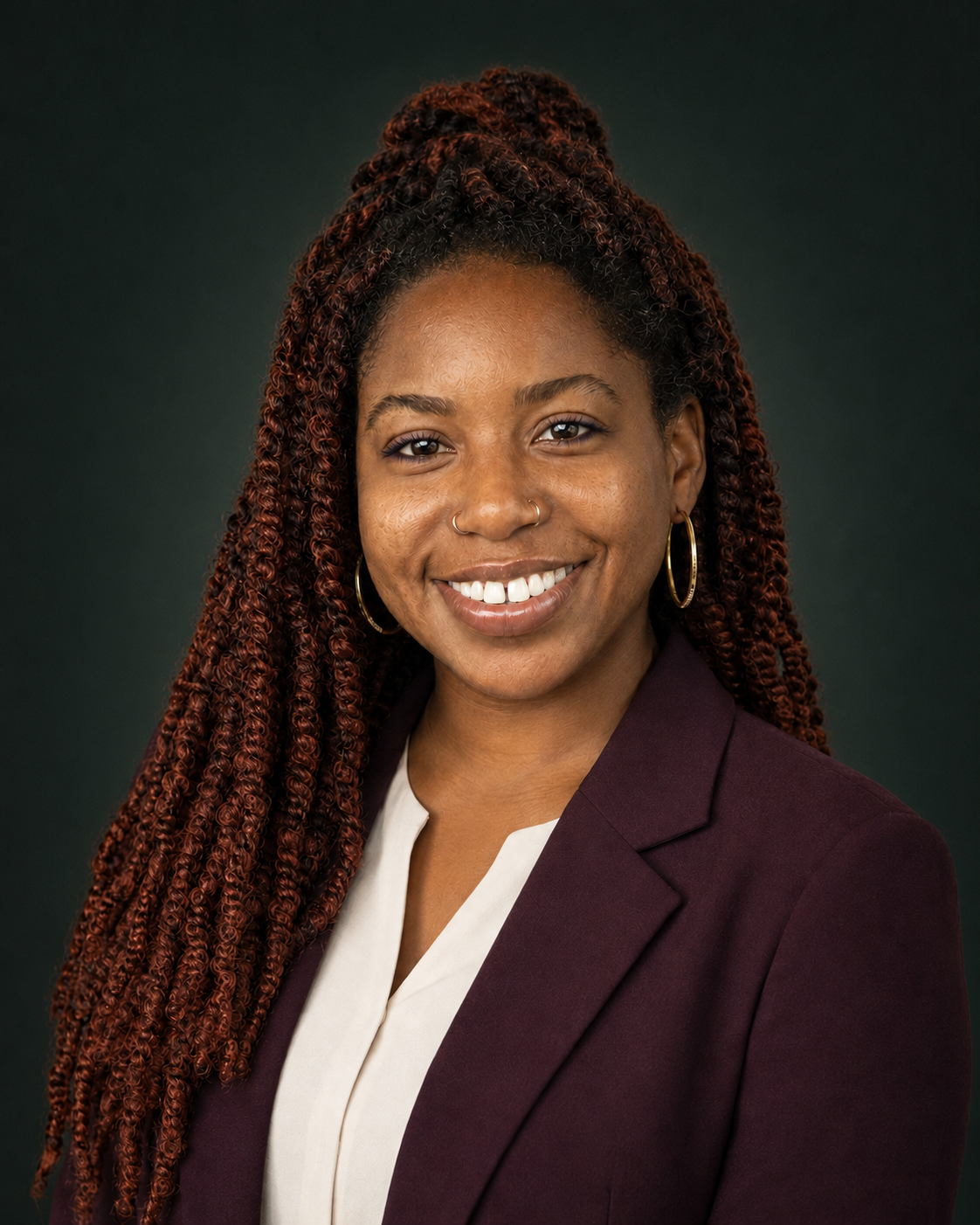
Kay RobinsonFOUNDER · THE KOLLECTIVE BRAND
For years, I kept becoming the person in the room asking the questions that no one else seemed to be asking: Who owns this? What happens next? Where does this information live? Did we make a decision—or did we just have another meeting?
I was not trying to be nosy. I was trying to understand how the work moved.
I have worked across nonprofit leadership, education, entrepreneurship, youth programming, community engagement, events, volunteer systems, alumni networks, and governing boards. The setting may change, but I notice the same pattern again and again: people with a meaningful vision are doing their best work inside systems that have not grown with them.
The founder becomes the filing cabinet, calendar, project manager, historian, decision-maker, and emergency contact. The board has committed people and important titles, but no shared understanding of what those titles require. Programs succeed because one person remembers every detail—not because the organization has built a way to repeat that success.
That is not a failure. It is a sign that the mission has outgrown the structure carrying it.
That is where I come in.
When I say, “I get in people's business,” I mean I am willing to look closely. I listen to how people describe the work and pay attention to what happens between the sentences. I ask where decisions slow down, where responsibilities overlap, where communication breaks, and which important tasks depend entirely on someone's memory.
Then I help organize what we find.
Sometimes that means clarifying roles so everyone knows what they own. Sometimes it means building a project timeline, an onboarding process, a board handbook, a meeting rhythm, or a system for turning decisions into action. Sometimes it means stepping in as an operations partner while the organization builds the internal capacity to carry the work forward.
GOOD OPERATIONS SHOULD ANSWER:
- 01What are we doing?
- 02Who owns it?
- 03Where does it live?
- 04When does it happen?
- 05How will we know it is done?
Operations is not paperwork for paperwork's sake.
It is the bridge between intention and execution. It is how a good idea becomes a program people can deliver consistently. It is how a growing team stops rebuilding the same process every time. It is how leaders make room to lead instead of holding every moving piece in their heads.
The same is true for boards. Governance information is everywhere, but it is often written in a way that feels distant from the actual people sitting around the table. A board does not become effective simply because officers have been elected or meetings appear on the calendar. Strong governance requires role clarity, useful information, sound decision-making, thoughtful onboarding, and a rhythm of accountability between meetings.
I help translate governance from theory into practice. Not a dusty binder. Not titles without direction. A board that understands its responsibility, supports the mission, and follows through.
I do not organize around assumptions.
Every organization has its own history, people, pressures, and personality. A system that looks impressive but does not match the way your team actually works will be abandoned the moment things get busy. So I do not arrive with a copy-and-paste solution.
I listen. I untangle. I build with the people who will use the system. Then we put it into practice with clear owners, realistic expectations, and room to adjust.
That is the heart of The Kollective Brand: helping mission-driven organizations build the structure behind their impact. The work may begin with a tangled process, an overwhelmed leader, a growing program, or a board that knows it should be doing more. It ends with greater clarity, stronger ownership, and a practical path forward.
You do not have to clean everything up before you call me. Bring me the messy version. That is where we begin.
Kay RobinsonFounder, The Kollective Brand